New Year, New Musical You — for Adults, Kids, and Beginners of Every Level
January is the month of fresh starts, renewed focus, and personal transformation. Whether you want to improve your piano technique, learn to play the violin, finally master a piece that has challenged you for years, or start music lessons for the very first time, the New Year presents the perfect opportunity to build momentum.
At B Natural Pianos & Music School, we see an incredible surge of inspiration every January. Students return from the holidays energized, families seek enriching activities for their children, and many adults take the leap into music lessons after years of wanting to begin. No matter your age or experience, you can make 2026 the year you truly commit to your musical journey.
Or you may be thinking about lessons…and want to get started. Now is the time!
In this blog, we’ll show you how to set meaningful, achievable piano practice goals — and how to stick with them all year long.

Before you set goals, start with a simple question:
“What do I want music to bring into my life this year?”
For some, it’s relaxation.
For others, it’s personal growth, creativity, or performance confidence.
For beginners, it may be as simple as finally learning to play!
Your intention shapes your goals and keeps you connected to your “why” when motivation dips (which is normal).

The SMART framework is a proven approach to making goals more actionable and achievable while mastering the art of effective practice.
✔ Specific
Instead of “Get better at piano,” try:
• “Learn the first movement of Beethoven’s Sonata in G Minor.”
• “Practice scales in all 12 keys.”
• “Master three new pop songs before summer.”
✔ Measurable
Build in metrics such as:
• Number of minutes per day
• Number of repetitions
• Number of pieces or pages completed
✔ Achievable
Set goals that fit your schedule and experience. Progress builds confidence.
✔ Relevant
Choose goals connected to your musical intention — relaxation, performance, confidence, creativity, etc.
✔ Time-Bound
Give yourself deadlines:
• “By March 1…”
• “By the end of each week…”
Timeframes create gentle pressure and structure.
Consistency beats intensity every time.
For Busy Adults:
Aim for 20–30 minutes a day, 4–5 days per week.
Short, focused sessions are easier to maintain and incredibly effective.
For Children:
Set predictable practice times — before dinner, after homework, or right after school.
Routine reduces resistance.
For Beginners:
Start small. Ten minutes a day is enough to build early momentum and enjoyment.

Tracking practice habits increases accountability and motivation.
Try:
• A simple notebook practice journal
• A digital checklist
• Daily reminders on your phone
• A dedicated practice app
Write down what you practiced, challenges, and small wins. When you look back in March or June, you’ll be amazed at your growth.
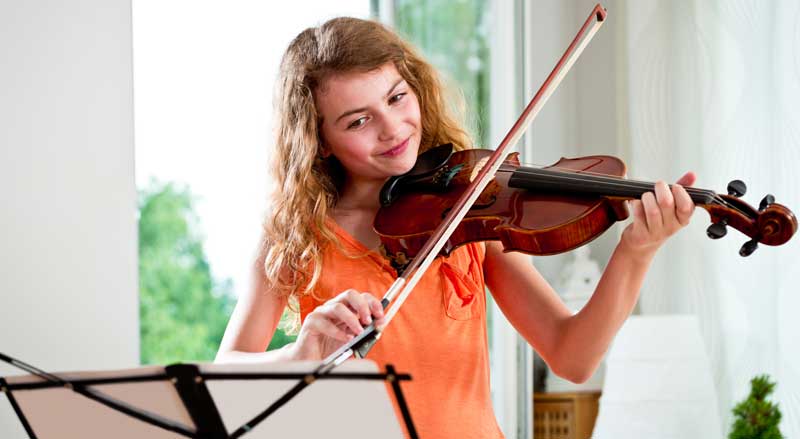
While technical exercises are essential, your passion grows from playing music that excites you.
Alternate technical goals with musical goals:
• Learn one classical piece and one pop song.
• Practice scales and work on your favorite movie theme.
• Balance exercises with expressive pieces that keep you inspired.
Motivation skyrockets when enjoyment is part of the process.
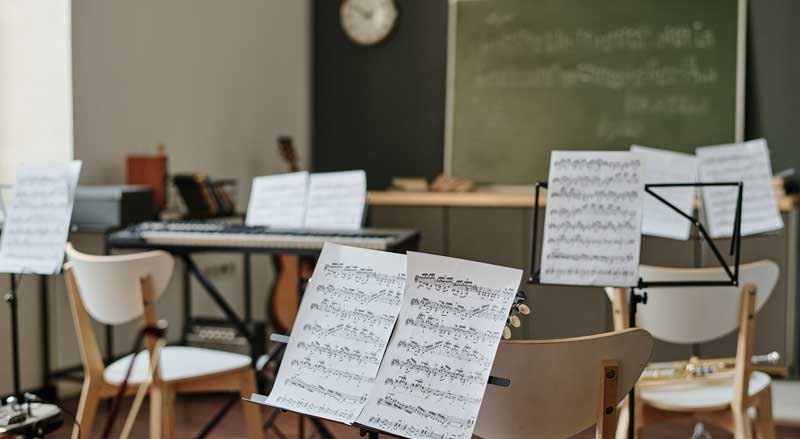
One of the most powerful ways to achieve your musical goals is by working with an experienced teacher. And January is the perfect time to begin.
For Adults:
It’s never too late. Whether you’ve always wanted to play piano, improve your voice, or revisit lessons from childhood, starting now builds confidence, stimulates creativity, and creates a rewarding lifelong hobby.
For Children:
Music lessons improve focus, discipline, memory, and academic performance. January is ideal because it aligns with mid-year school rhythms and gives students a fresh start to set new personal goals.
For Teens:
Music offers emotional expression and personal identity during a pivotal life stage. Structured lessons can channel their creativity and reduce stress.
What You Can Learn at B Natural:
✓ Piano (beginner through advanced)
✓ Voice lessons
✓ Guitar & ukulele – Acoustic Guitar, Electric Guitar, Bass Guitar
✓ Violin, Viola & Cello
✓ Drums
✓ Woodwinds – Flute, Clarinet, Saxophone, Oboe
✓ Brass Instruments – Trumpet, Trombone, French Horn, Baritone Horn & Tuba
✓ Early childhood music programs
Starting lessons now sets the stage for measurable progress by spring and breakthroughs by year’s end.

Working with a professionally trained instructor gives you:
• Personalized guidance
• A structured lesson plan
• Accountability
• Immediate feedback
• Motivation during inevitable plateaus
Your teacher becomes a partner in your success — someone who helps you stay on track, celebrates your progress, and adjusts your goals as you grow.
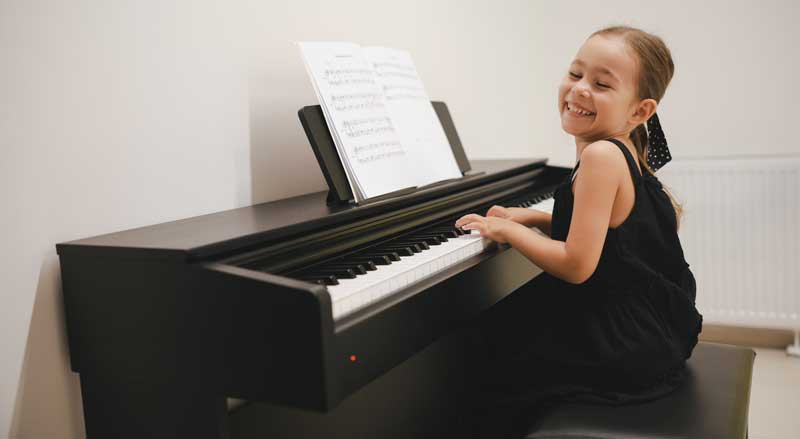
Progress often feels slow in the moment, but it becomes remarkable over time.
Celebrate:
• Completing a new piece
• Improving your rhythm
• Playing with better expression
• Tuning more accurately
• Practicing consistently for a whole week
Small wins compound into significant breakthroughs.
If you have been searching for “piano lessons near me” or “music lessons near me,” that’s a pretty good indication you are ready to start learning to play an instrument or learn how to sing!
Whether you’re restarting your musical journey or beginning from scratch, January is your moment to commit to personal growth through music.
With clear goals, a structured practice routine, and encouragement from expert instructors, you’ll be amazed at how far you can go in just a few months.
B Natural Pianos & Music School offers private piano lessons, group classes, voice instruction, and music programs for all ages. Start today — your future self will thank you.
???? Call: 973-983-8800
???? Visit: www.pianocloseouts.com
???? New Year. New Goals. New Music.